EMAIL US:salesmanager@singi.com
- All
- Product Name
- Product Keyword
- Product Model
- Product Summary
- Product Description
- Multi Field Search


Views: 143 Author: Mark Zhang Publish Time: 2026-09-03 Origin: Singi Electrical
A mid-sized food packaging facility in Ohio, employing roughly 150 staff, runs three high-speed production lines that operate the clock. The plant packages dry goods and beverages, shipping regional retail chains and grocery distributors. Like most processing plants, the facility relies on continuous power to keep conveyors, fillers, and labeling machines synchronized. Any electrical interruption halts production and risks product loss on the line.
The plant had grown organically over two decades, and its distribution infrastructure struggled to keep pace. The legacy distribution boxes scattered across the facility were outdated, poorly labeled, and structurally weak. Their enclosures no longer sealed properly, letting dust and moisture enter. That created frequent nuisance tripping, when a compressor cycled on or when the cleaning crew turned on high-pressure washers near an outlet.
When an overload or short circuit occurred, the existing boxes did not isolate the fault cleanly. A single fault on one conveyor would take out power to an entire production zone. The maintenance crew then lost precious hours tracing which circuit had failed. In one month, the plant reported more than 14 unplanned stoppages, each averaging 35 minutes. That translated to missed delivery windows and overtime wages for make-up runs.
Safety was another concern. Several cover plates had cracked, exposing live parts in an environment that is cleaned with pressurized water. In addition, the facility had no clear documentation for each circuit, making troubleshooting risky. The operations manager estimated that the aging electrical setup was costing the plant more than $38,000 a year in downtime, repairs, and wasted labor.
The plant considered two alternatives. One option was a custom-built stainless steel distribution cabinet from a local fabricator. That solution promised durability but would require extensive lead time and a much higher upfront cost. The other option was to recondition the old enclosures, but the maintenance team realized that replacing only the breakers would not fix the fundamental enclosure weaknesses.
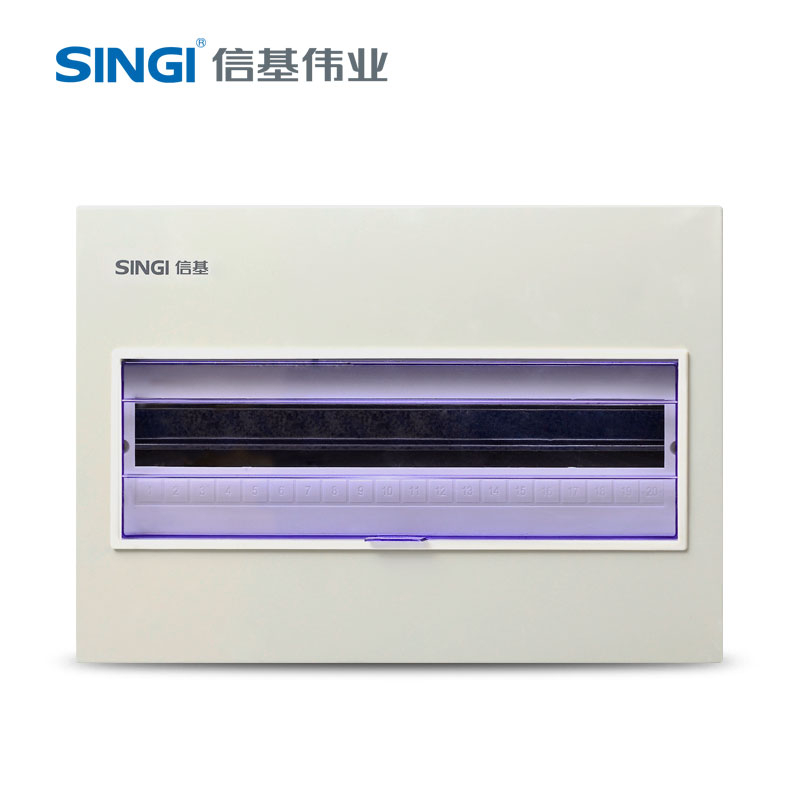
The plant’s engineering consultant recommended the SINGI PZ30 Distribution Box. The decision came down to five factors. First, the PZ30 offered a modular layout that made internal wiring more organized than the tangled bundles in the old boxes. Second, the enclosure’s IP-rated construction provided solid protection against the dust and moisture typical in food plants. Third, the box was designed for quick installation, with pre-punched knockouts and adequate space for standard DIN-rail components. Fourth, the price was far lower than the custom alternative, while still meeting relevant IEC standards for low-volt-level assemblies., the SINGI supplier provided a clear wiring diagram and local technical support, which the plant lacked for its outdated units.
The replacement project ran for nine weeks, from the initial site audit to the final test. The first step was to map every circuit in the facility and label each according to its actual load. The engineering team then chosen the correct PZ30 frame sizes for each zone, ensuring enough breaker positions for future equipment additions.
The second step was to disconnect power in rotating phases. Because the plant could not afford a full shutdown, the work was scheduled during Sundays and holidays. Crews installed the new boxes over three weekends, each time switching a major production zone from the old panel to the new PZ30 unit. During that process, one unexpected issue surfaced: the existing incoming cables were longer and less flexible than the new enclosure’s routing channels allowed. Pulling them through was not feasible without risking damage to the copper lugs.
The team solved it by installing an auxiliary wiring trough above the PZ30 boxes. That simple addition provided a path for the stiff legacy cables and kept the interior of the distribution box clean and serviceable. The final step involved verifying torque on all terminals, testing each circuit under load, and photographing the as-built arrangement for the maintenance manual.
After six months of operation, the plant recorded measurable improvements across several areas:
The benefits extended beyond the numbers. The maintenance team now has confidence when they open a PZ30 enclosure. They can immediately identify which breaker corresponds to which piece of equipment, and they can safely de-energize a single conveyor without stopping the whole line. That operational flexibility allowed the plant to accept a new packaging contract that requires frequent changeovers.
“We no longer treat a tripped panel as an emergency,” said the plant’s facilities supervisor. “The SINGI PZ30 boxes gave us a clear layout and reliable isolation. When something does trip, we fix it in minutes, not hours.”
This site offers three takeaways for other facilities planning a distribution upgrade:
The food plant’s experience demonstrates that replacing obsolete distribution boxes with the SINGI PZ30 Distribution Box is not a safety improvement. It is a practical investment that reduces operating costs, shortens response time, and gives maintenance teams the visibility they need to keep production moving.
References: